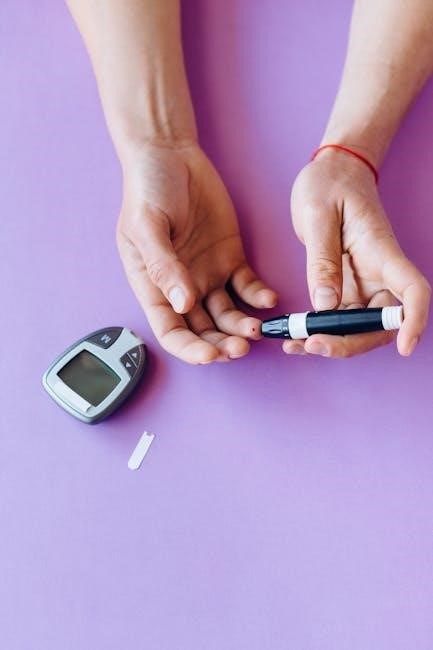
Diabetes sick day guidelines are crucial for managing blood glucose during illness, preventing complications like DKA or HHS, and ensuring consistent health outcomes.
What are Diabetes Sick Day Guidelines?
Diabetes sick day guidelines are a set of personalized instructions for individuals with diabetes to follow when they are ill, even with a common cold. These guidelines aim to help maintain stable blood glucose levels, which are often disrupted by the physiological stress of illness.
They encompass strategies for frequent blood glucose monitoring, adjustments to medication or insulin dosages, maintaining adequate hydration, and selecting appropriate foods.
Crucially, these guidelines also detail warning signs indicating a need for immediate medical attention, such as symptoms of diabetic ketoacidosis (DKA) or hyperosmolar hyperglycemic state (HHS). A well-defined sick day plan, often documented in a PDF format, empowers individuals to proactively manage their diabetes during challenging health events.
Why are Sick Day Guidelines Important?
Sick day guidelines are vitally important because illness significantly impacts blood glucose control in people with diabetes. The body’s stress response during sickness releases hormones that can elevate blood sugar levels, increasing the risk of dangerous complications.
Without a plan, individuals may experience severe hyperglycemia or hypoglycemia, potentially leading to DKA or HHS.
Proactive management, guided by a personalized PDF sick day plan, helps prevent these emergencies. Furthermore, consistent adherence to guidelines supports overall health, minimizes hospitalizations, and ensures effective diabetes management even when facing additional health challenges, safeguarding major organs like the heart and kidneys.

Understanding Diabetes and Illness
Illness elevates blood glucose due to stress hormones, impacting diabetes management; understanding this connection is key for effective sick day planning and prevention.
How Illness Affects Blood Glucose Levels
When you’re sick, your body releases hormones like cortisol and adrenaline to fight the illness. These hormones unfortunately also raise your blood glucose levels, making diabetes management more challenging. Even a common cold or the flu can significantly impact blood sugar control, potentially leading to hyperglycemia (high blood sugar) or, less commonly, hypoglycemia (low blood sugar).
The body’s stress response prioritizes providing energy, and glucose is the primary energy source. This means the liver releases stored glucose into the bloodstream, further increasing blood sugar. Additionally, illness can affect your appetite and hydration, making it harder to eat regularly and stay hydrated – both crucial for maintaining stable blood glucose levels. Understanding this physiological response is vital for proactively adjusting your diabetes management plan during sickness.
Types of Diabetes and Sick Day Management (Type 1 vs. Type 2)
Sick day management differs significantly between Type 1 and Type 2 diabetes. Individuals with Type 1 diabetes, requiring insulin for survival, are at higher risk of developing diabetic ketoacidosis (DKA) when ill, necessitating frequent blood glucose and ketone monitoring, and potential insulin adjustments.
Those with Type 2 diabetes are more prone to hyperglycemia due to stress hormones, but DKA is less common. Management focuses on maintaining hydration, continuing oral medications (as tolerated), and monitoring for hyperosmolar hyperglycemic state (HHS). Regardless of type, consistent communication with your healthcare team is paramount to personalize your sick day plan and ensure safe, effective management during illness.

Key Components of a Diabetes Sick Day Plan
A comprehensive plan includes frequent blood glucose monitoring, adjusted medication dosages, adequate hydration, easily digestible foods, and clear guidelines for seeking medical attention promptly.
Monitoring Blood Glucose More Frequently
During illness, blood glucose levels can fluctuate significantly, often rising due to the body’s stress response and reduced physical activity. Therefore, more frequent monitoring – typically every 2-4 hours – is essential. This allows for timely adjustments to insulin or medication dosages, preventing dangerous highs or lows.
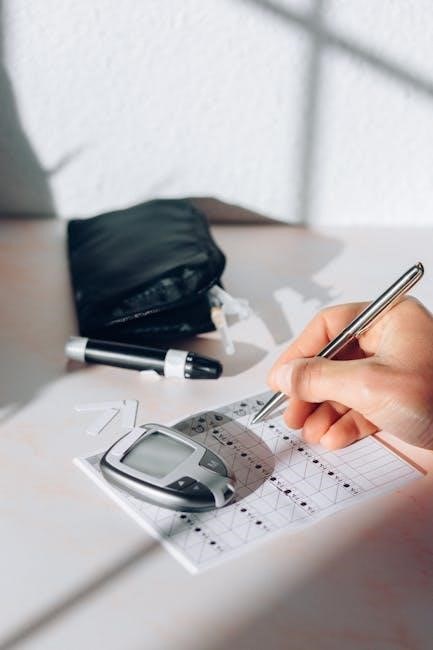
Keep a detailed log of all readings, noting the time, food intake, medication administered, and any symptoms experienced. This record is invaluable for your healthcare provider. Even if you feel unwell and are hesitant to test, prioritize glucose checks. Consistent monitoring provides critical data for effective sick day management and helps avoid complications like diabetic ketoacidosis (DKA) or hyperosmolar hyperglycemic state (HHS).
Adjusting Insulin or Medication Dosage
Illness often necessitates adjustments to your usual diabetes medication regimen. For those using insulin, you may need to increase your dosage if blood glucose levels are consistently high, or decrease it if levels are dropping too low, especially with reduced food intake. Oral medications may also require modification based on blood glucose readings and your healthcare provider’s guidance.
Never adjust your medication without consulting your diabetes care team or following a pre-established sick day plan. They can provide personalized recommendations based on your specific needs and medication type. Careful adjustments, guided by frequent blood glucose monitoring, are crucial for maintaining stable blood sugar levels during illness and preventing complications.

Nutrition and Hydration During Illness
Maintaining adequate nutrition and hydration is vital when sick with diabetes; easily digestible foods and sufficient fluids help stabilize blood glucose levels.
Maintaining Adequate Fluid Intake
Staying well-hydrated is paramount during illness when managing diabetes. Vomiting, diarrhea, or even fever can quickly lead to dehydration, significantly impacting blood glucose control. Aim for frequent sips of water, even if you don’t feel thirsty – approximately every half hour.
Sugar-free options like broth, herbal tea, or diluted sugar-free sports drinks can also contribute to fluid intake. Avoid sugary beverages, as these will raise blood glucose levels and potentially worsen your condition. Monitor for signs of dehydration, including decreased urination, dark urine, and dry mouth.
Consistent hydration supports kidney function and helps the body effectively process medications and manage illness. Prioritize fluids alongside your regular sick day management plan.
Choosing Easily Digestible Foods
When ill, your digestive system may be compromised, making it harder to process food. Opt for easily digestible options to minimize blood sugar spikes and gastrointestinal distress. The BRAT diet – bananas, rice, applesauce, and toast – is a good starting point, providing carbohydrates that are gentle on the stomach.
Small, frequent meals are preferable to large ones. Avoid fatty, fried, or spicy foods, as these can exacerbate nausea or diarrhea. Soups, broths, and plain crackers are also well-tolerated choices. Continue to monitor blood glucose levels closely, as even easily digestible foods can impact readings.
Prioritize nutrient-rich foods when possible, but focus on tolerability during illness.
Recognizing Warning Signs & When to Seek Medical Attention
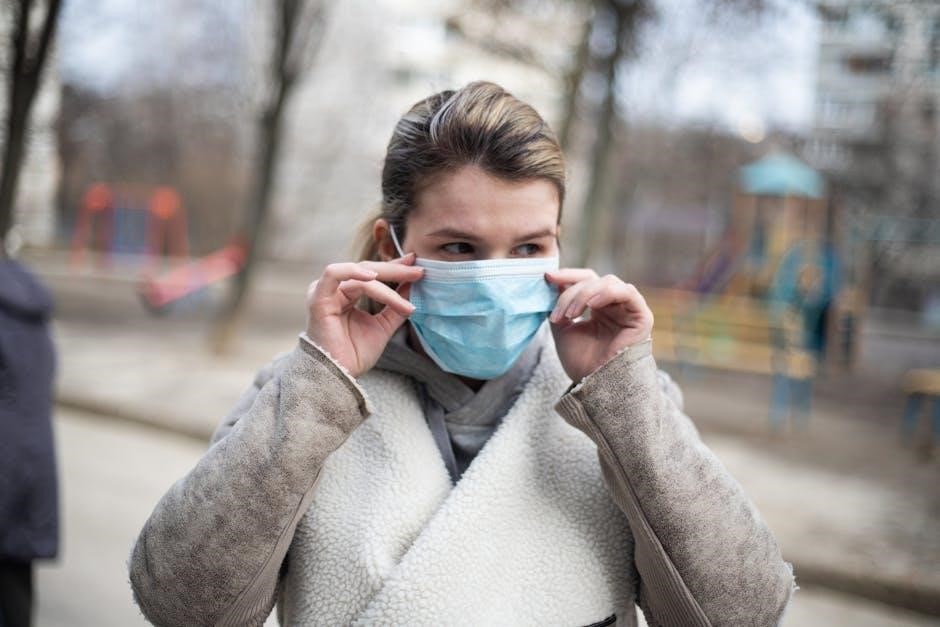
Promptly identify symptoms like persistent high blood sugar, ketones in urine, difficulty breathing, or severe dehydration; immediate medical help is then essential.
Signs of Diabetic Ketoacidosis (DKA)
Diabetic Ketoacidosis (DKA) is a serious complication, particularly for those with Type 1 diabetes, but can occur in Type 2 under stress. Recognizing symptoms early is vital. Key indicators include consistently high blood glucose levels – typically over 250 mg/dL – alongside the presence of ketones in your urine; Other warning signs encompass excessive thirst, frequent urination, nausea, vomiting, abdominal pain, and a fruity odor on the breath.
Furthermore, individuals experiencing DKA may exhibit rapid, deep breathing (Kussmaul respirations), confusion, and, in severe cases, loss of consciousness. If DKA is suspected, seek immediate medical attention as it requires prompt treatment with intravenous fluids and insulin to restore balance and prevent life-threatening consequences.
Signs of Hyperosmolar Hyperglycemic State (HHS)
Hyperosmolar Hyperglycemic State (HHS), more common in Type 2 diabetes, is another life-threatening emergency. It develops when blood sugar levels become extremely high, leading to severe dehydration. Key signs include markedly elevated blood glucose – often exceeding 600 mg/dL – without significant ketone production. Individuals may experience intense thirst, frequent urination, blurred vision, confusion, and weakness.
Unlike DKA, breathing isn’t typically rapid. HHS can cause seizures, coma, and even death if left untreated. Immediate medical intervention is crucial, involving intravenous fluids to correct dehydration and insulin to lower blood sugar. Prompt recognition and treatment are essential for a positive outcome.

Medication Management on Sick Days
Sick days often require adjustments to diabetes medications, including insulin or oral drugs, to counteract the impact of illness on blood glucose control.
Continuing or Adjusting Oral Medications
For individuals managing type 2 diabetes with oral medications, sick day guidance often involves continuing these medications, unless specifically advised otherwise by a healthcare professional. However, adjustments may be necessary, particularly if appetite or food intake is significantly reduced.
Monitoring blood glucose levels frequently is paramount to determine if medication dosages need temporary modification. If unable to eat, or experiencing persistent vomiting, contact your doctor; they may suggest temporarily stopping certain medications to avoid hypoglycemia.
It’s vital to understand that some oral diabetes medications, like sulfonylureas, carry a higher risk of causing low blood sugar during illness, necessitating careful monitoring and potential dose reduction. Always prioritize communication with your healthcare team for personalized guidance.
Insulin Adjustment Strategies
For individuals with type 1 or type 2 diabetes using insulin, sick days often necessitate adjustments to their insulin regimen. Increased blood glucose levels due to illness typically require supplemental insulin doses, often using correction factors determined with your healthcare provider.
Frequent blood glucose monitoring – every 2-4 hours – is crucial to guide these adjustments. If experiencing vomiting or reduced food intake, continue taking basal (long-acting) insulin, but be prepared to reduce doses to prevent hypoglycemia.
Rapid-acting insulin doses should be adjusted based on blood glucose readings and carbohydrate consumption. Always consult your diabetes care team for personalized guidance on insulin adjustments during illness.

Specific Illness Considerations
Managing diabetes during common illnesses like colds, flu, or gastrointestinal issues requires tailored approaches to maintain stable blood glucose levels and prevent complications.
Managing Diabetes with a Cold or Flu
When experiencing a cold or the flu, your body releases hormones to fight the illness, which can significantly elevate blood glucose levels. Continue monitoring your blood sugar more frequently – every 2-4 hours – even if you aren’t feeling hungry. Adjust insulin or medication dosages as needed, guided by your sick day plan and healthcare provider’s instructions;
Prioritize staying hydrated with water, broth, or sugar-free beverages. Easily digestible foods like soup, crackers, or toast are preferable. If you have difficulty keeping food down, focus on small, frequent sips of fluids. Remember, illness can mask the typical symptoms of hypoglycemia, so diligent monitoring is paramount. Don’t hesitate to contact your doctor if you feel unwell or your blood sugar remains unstable.
Diabetes Management During Gastrointestinal Illness (Vomiting/Diarrhea)
Gastrointestinal illnesses, characterized by vomiting and diarrhea, pose a significant risk for dehydration and blood sugar imbalances. Frequent monitoring – every 1-2 hours – is essential, as these symptoms can lead to rapid glucose fluctuations. Prioritize small, frequent sips of sugar-free fluids like water or electrolyte solutions to prevent dehydration.
If you can tolerate oral intake, choose easily digestible carbohydrates like broth or crackers. Insulin or medication adjustments may be necessary, potentially requiring a reduction in dosage due to decreased food intake. Contact your healthcare provider immediately if you are unable to keep down fluids or if your blood sugar levels become dangerously high or low.

Creating a Personalized Sick Day Plan
A tailored plan, developed with your healthcare team, is vital for effective diabetes management during illness, ensuring safe adjustments to medication and diet.
Working with Your Healthcare Team
Collaborating with your doctor and diabetes educator is paramount when crafting a sick day plan. Discuss specific scenarios – colds, flu, gastrointestinal issues – and how your insulin or medication dosages should be adjusted in each case.
Ensure you understand the target blood glucose ranges during illness and the thresholds for contacting them immediately. Ask about ketone testing protocols, especially if you have type 1 diabetes, and what levels necessitate urgent medical attention.
Review your current medication list and any potential interactions with over-the-counter remedies you might use when sick. A proactive discussion will empower you to manage your diabetes effectively and safely, even when feeling unwell, minimizing potential complications.
Documenting Your Plan (PDF Format)
Creating a readily accessible, written sick day plan is essential. A PDF format ensures it’s easily printable and viewable on any device, even without internet access. Include your target blood glucose ranges, medication adjustments, and ketone testing instructions.
Clearly list emergency contact information – your doctor, diabetes educator, and local emergency services. Detail what constitutes a medical emergency requiring immediate attention, such as persistent vomiting, high ketone levels, or difficulty breathing.
Share this PDF with family members or caregivers so they can assist you if you’re unable to manage your diabetes independently during illness. Regularly review and update the plan with your healthcare team.
Resources and Further Information
Reliable sources like the ADA and NIDDK offer comprehensive diabetes sick day guidelines, downloadable resources, and support for effective self-management.
American Diabetes Association (ADA) Resources
The American Diabetes Association (ADA) provides extensive, evidence-based resources specifically addressing sick day management for individuals with diabetes. Their website (diabetes.org) features detailed guidelines, downloadable fact sheets, and practical tips for monitoring blood glucose, adjusting medication, and maintaining hydration during illness.
You can find comprehensive information on recognizing warning signs of complications like diabetic ketoacidosis (DKA) and hyperosmolar hyperglycemic state (HHS). The ADA also offers educational materials tailored to different types of diabetes – Type 1, Type 2, and gestational diabetes – ensuring personalized guidance.
Furthermore, the ADA provides links to support groups and online communities where individuals can connect with others facing similar challenges, fostering a sense of shared experience and mutual support during difficult times. Their resources are regularly updated to reflect the latest medical advancements.
National Institute of Diabetes and Digestive and Kidney Diseases (NIDDK)
The National Institute of Diabetes and Digestive and Kidney Diseases (NIDDK), a component of the National Institutes of Health (NIH), offers in-depth information about diabetes and its management, including guidance for sick days. Their website (niddk.nih.gov) provides research-backed articles, fact sheets, and clinical trial information related to diabetes care.
NIDDK resources cover the physiological effects of illness on blood glucose levels and explain how different types of diabetes—Type 1 and Type 2—require varied sick day approaches. You’ll find details on monitoring ketones, adjusting insulin dosages, and recognizing emergency situations requiring immediate medical attention.
The NIDDK also emphasizes the importance of preventative measures, such as vaccinations, to minimize the frequency of illness and associated disruptions to diabetes control. Their materials are geared towards both patients and healthcare professionals.
Preventative Measures to Minimize Sick Days
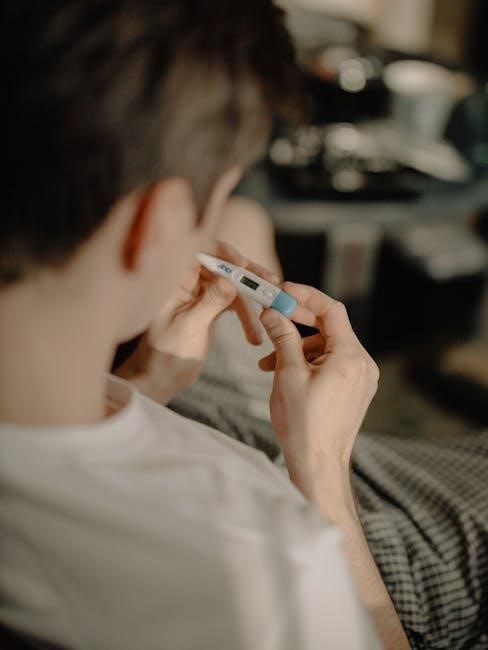
Proactive health strategies, like vaccinations and maintaining overall wellness, significantly reduce illness frequency and severity, lessening disruptions to diabetes management.
Vaccinations and Flu Shots
Individuals with diabetes are at a heightened risk of experiencing severe complications from infectious diseases, making preventative measures paramount. Annual influenza vaccinations are strongly recommended, as the flu can significantly disrupt blood glucose control and increase the likelihood of needing sick day management.
Furthermore, staying up-to-date on other recommended vaccinations, such as pneumococcal and hepatitis B vaccines, is crucial for protecting against potentially serious infections. These vaccinations bolster the immune system, reducing the frequency and severity of illnesses that could trigger sick day protocols.
Proactive immunization isn’t just about preventing the illness itself; it’s about minimizing the impact on diabetes management and overall health stability.
Maintaining Overall Health and Wellness
A foundation of good health significantly reduces the frequency and severity of illnesses requiring sick day management. Consistent blood glucose control, achieved through diet, exercise, and medication adherence, strengthens the immune system and improves the body’s ability to fight off infections.
Prioritizing a balanced diet rich in nutrients, engaging in regular physical activity, and managing stress levels are all vital components of overall wellness. Adequate sleep is also crucial, as sleep deprivation can negatively impact immune function and blood sugar regulation.
By proactively investing in their health, individuals with diabetes can minimize the need for reactive sick day plans.