Tattoo Aftercare Instructions: A Comprehensive Guide
Navigating tattoo aftercare is essential for preserving vibrancy and preventing complications. This guide details crucial steps, from initial bandage removal to long-term maintenance,
ensuring a beautifully healed tattoo. Proper care minimizes risks and maximizes the artwork’s longevity, following expert advice.
Initial Bandage Removal & First 24 Hours
The first 24 hours are critical for establishing a solid foundation for healing. Your tattoo artist applied a bandage to protect the fresh ink from bacteria and irritation.
Typically, this bandage – whether plastic wrap, a traditional bandage, or a specialized adhesive film – should be removed after 2-6 hours, but always follow your artist’s specific instructions.
Gentle removal is key. Avoid ripping the bandage off, as this can damage the new tattoo. Instead, carefully peel it away, ideally in a clean environment. Once removed, gently wash the tattoo with lukewarm water and a mild, fragrance-free soap.
Pat it dry with a clean paper towel – do not rub!
For the remainder of the first day, leave the tattoo uncovered as much as possible to allow air exposure. Avoid tight clothing that could rub against it. You may apply a very thin layer of recommended tattoo balm, but don’t overdo it; the tattoo needs to breathe.
Expect some oozing of plasma – this is normal and part of the healing process.
Understanding the Stages of Tattoo Healing
Tattoo healing isn’t instantaneous; it’s a dynamic process unfolding in distinct stages. Recognizing these phases allows for targeted aftercare, optimizing results and minimizing complications. The entire process typically spans 2-6 weeks, but varies based on tattoo size, location, and individual healing abilities.
Initially, the body responds to the tattoo as an open wound, triggering inflammation. This is characterized by redness, swelling, and tenderness. Following this, the tattoo will begin to weep plasma, a clear fluid.
As the first week progresses, the tattoo will start to scab and peel, accompanied by itching. This is a natural part of the skin’s regeneration, but scratching must be avoided! Finally, in weeks 3-6, the surface layers heal, but deeper layers continue to settle. Colors may appear dull initially, but will regain vibrancy as the skin fully recovers.
Understanding these stages empowers you to provide appropriate care at each phase, ensuring a beautifully healed and long-lasting tattoo.
Phase 1: The First Week ― Inflammation & Plasma

The initial week post-tattooing is dominated by inflammation and the release of plasma. Your body perceives the tattoo as a wound, initiating an immune response. Expect redness, swelling, and a degree of tenderness around the tattooed area – this is perfectly normal.
During this phase, the tattoo will likely weep plasma, a clear or slightly yellowish fluid composed of blood and tissue fluids. This is a crucial part of the healing process, preventing scab formation and aiding in skin regeneration. Gently blot away excess plasma with a clean paper towel, never rub.
Keep the tattoo clean by gently washing it with mild, fragrance-free soap and water 2-3 times daily. Avoid harsh chemicals, exfoliants, and prolonged soaking. After washing, pat dry and apply a thin layer of recommended tattoo balm. Protect the tattoo from direct sunlight and friction during this vulnerable period.
Phase 2: Week 2-3 ⎼ Itching & Peeling
As your tattoo transitions into weeks two and three, the initial inflammation subsides, but itching and peeling become prominent. This signals your skin’s regeneration process, as new skin cells replace the damaged ones. Itching can be intense, but resisting the urge to scratch is paramount to prevent damage and potential infection.

Peeling will occur as the top layer of skin sheds, revealing the vibrant tattoo underneath. This is a natural and normal part of healing; however, avoid picking or pulling at the peeling skin, as this can pull out ink and cause fading. Continue gentle cleansing 2-3 times daily with mild soap and water.
Maintain consistent moisturizing with a tattoo-specific balm to keep the skin hydrated and alleviate itching. Protect the tattoo from sun exposure and friction. If scabs form (despite best efforts), allow them to fall off naturally – do not force them.
Phase 3: Weeks 3-6 ⎼ Continued Healing & Color Settling
During weeks three to six, your tattoo enters a phase of continued healing and color settling. While the surface may appear healed, deeper layers are still regenerating. The skin might still feel slightly sensitive, and occasional itching is normal, though less intense than before. Continue moisturizing daily to maintain skin health and vibrancy.
Color settling is a natural process where the tattoo’s colors may appear slightly muted initially, then become more vibrant as the skin fully heals. Avoid prolonged sun exposure, as UV rays can fade the ink. Always use a high-SPF sunscreen when the tattoo is exposed to sunlight, even after it appears fully healed.
Gentle cleansing remains important, and you can gradually transition to a regular, fragrance-free moisturizer if desired. Pay attention to your skin’s needs and adjust your aftercare routine accordingly. Remember, long-term care is key to preserving your tattoo’s beauty.
Essential Aftercare Supplies Checklist
Preparing for tattoo aftercare requires gathering specific supplies. A fragrance-free, hypoallergenic soap is crucial for gentle cleansing, avoiding harsh chemicals that can irritate the fresh tattoo. Moisturizing balm specifically designed for tattoos, or a fragrance-free lotion, is essential to keep the skin hydrated and promote healing.
Non-adhesive bandages or plastic wrap are needed for the initial protection of the tattoo. Clean paper towels are preferable to cloth for patting the area dry. Sunscreen with a high SPF (30 or higher) is vital for long-term protection against fading.
Consider a small spray bottle for easy application of saline solution (if recommended by your artist). Avoid scented products, harsh exfoliants, and anything containing alcohol. Having these items readily available ensures consistent and effective aftercare, contributing to a beautifully healed tattoo.
Gentle Cleansing: What Soap to Use
Proper cleansing is paramount during tattoo aftercare, but the soap matters significantly. Avoid harsh soaps containing fragrances, dyes, or alcohol, as these can cause irritation and impede healing. Opt for a mild, fragrance-free, hypoallergenic soap – think baby soap or a specifically formulated tattoo wash.
Antibacterial soaps are generally not recommended unless specifically advised by your tattoo artist or a medical professional, as they can be overly drying. The goal is to remove plasma, ink residue, and potential bacteria without stripping the skin of its natural oils.
Gently wash the tattoo with lukewarm water and your chosen soap using clean hands. Pat dry with a clean paper towel – avoid rubbing. Cleansing should occur two to three times daily during the initial healing phase, maintaining a clean environment for optimal recovery.
Moisturizing Your Tattoo: Choosing the Right Balm
Maintaining optimal hydration is crucial for tattoo healing, but selecting the right moisturizer is key. Avoid petroleum-based products like Vaseline, as they can trap bacteria and hinder the skin’s ability to breathe. Instead, opt for a tattoo-specific balm or a fragrance-free, hypoallergenic lotion.

Look for balms containing ingredients like shea butter, cocoa butter, or vitamin E, known for their soothing and healing properties. These help keep the skin supple, reducing cracking and peeling. Apply a very thin layer of balm after each cleansing session.
Over-moisturizing can be as detrimental as under-moisturizing, potentially leading to clogged pores and delayed healing. The tattoo should appear hydrated, not greasy. Consistent, moderate moisturizing promotes vibrant color and a smooth, healthy finish.
How Often to Wash and Moisturize
Establishing a consistent washing and moisturizing routine is paramount during tattoo healing. For the first 3-5 days, gently wash your new tattoo 2-3 times daily with a mild, fragrance-free soap. Pat it dry with a clean paper towel – avoid rubbing.
Following each wash, apply a very thin layer of your chosen tattoo balm or lotion. This prevents the tattoo from drying out and cracking, which can impede healing. As the tattoo progresses through the peeling stage (typically week 2-3), you can reduce washing to 1-2 times daily.
Continue moisturizing 2-3 times daily until the tattoo is fully healed, usually around 3-4 weeks. Adjust frequency based on your skin’s needs; if it feels dry, moisturize more often. Avoid over-moisturizing, which can cause issues.

Protecting Your Tattoo from the Sun
Sun exposure is a significant threat to tattoo longevity and vibrancy. UV rays can fade the ink and damage the healing skin, even years after the tattoo is fully healed. During the initial healing phase (3-4 weeks), absolutely avoid direct sun exposure to your new tattoo.
Once healed, diligent sun protection is crucial. Always apply a broad-spectrum sunscreen with a high SPF (30 or higher) to your tattoo whenever it’s exposed to the sun. Reapply frequently, especially after swimming or sweating.
Consider wearing protective clothing, such as long sleeves or hats, to shield your tattoo from the sun. Faded colors and blurred lines are preventable with consistent sun care. Protecting your investment ensures your tattoo remains a vibrant piece of art for years to come.
Clothing Choices During Healing
Selecting appropriate clothing is vital during tattoo healing to prevent irritation and infection. Opt for loose-fitting, breathable fabrics like cotton that won’t rub against the tattooed area. Avoid tight clothing, such as jeans or restrictive waistbands, which can cause friction and impede airflow.
During the first few days, consider wearing clothing that fully covers the tattoo to protect it from dirt, bacteria, and accidental bumps. Darker colors are preferable as they conceal any potential plasma or ink leakage.
Change your clothing daily, or more often if it becomes soiled or sweaty. Avoid synthetic fabrics like polyester or nylon, as they trap moisture and can contribute to irritation. Prioritizing comfortable, breathable clothing promotes optimal healing and minimizes discomfort throughout the process.
Avoiding Irritants: What to Keep Away From Your Tattoo
Protecting your new tattoo from irritants is crucial for successful healing. Strictly avoid direct sunlight, as UV rays can fade the ink and damage the skin. Sunscreen is essential after the tattoo is fully healed, but should be avoided during the initial stages.

Steer clear of harsh chemicals found in perfumes, lotions (unless specifically designed for tattoo aftercare), and cleaning products. Avoid soaking the tattoo in bathtubs, swimming pools, hot tubs, or any bodies of water until it’s completely healed. These environments harbor bacteria.
Refrain from shaving, waxing, or using exfoliating scrubs on the tattooed area. Limit exposure to pet dander and other potential allergens. By minimizing contact with irritants, you’ll reduce the risk of inflammation, infection, and compromised tattoo quality, ensuring a vibrant and lasting result.
Recognizing Signs of Infection
Early detection of infection is vital for preventing serious complications. Be vigilant for signs beyond normal healing responses. Excessive redness spreading beyond the tattoo’s borders, accompanied by increasing pain, is a key indicator.
Look for pus or yellowish discharge, a clear sign of bacterial presence. Swelling, warmth, and fever are also concerning symptoms requiring immediate attention. Red streaks radiating from the tattoo are a particularly alarming sign, indicating potential blood poisoning.
Unpleasant odors emanating from the tattoo area should not be ignored. Remember, some mild redness and discomfort are normal, but persistent or worsening symptoms warrant a prompt medical evaluation. Don’t hesitate to seek professional help if you suspect an infection; delaying treatment can lead to severe consequences.
When to Seek Medical Attention

Prompt medical attention is crucial when aftercare concerns escalate beyond manageable symptoms. Don’t hesitate to consult a doctor if you suspect a tattoo infection, characterized by increasing pain, swelling, redness, or pus. Fever accompanied by tattoo-related symptoms demands immediate evaluation;
Red streaks radiating from the tattoo are a serious sign of potential blood poisoning and require urgent care. Severe allergic reactions, such as difficulty breathing or widespread hives, necessitate emergency medical intervention.
If you’re unsure whether your symptoms are normal healing or indicative of a problem, err on the side of caution and seek professional advice. Ignoring potential complications can lead to long-term health issues. A healthcare provider can accurately diagnose the issue and prescribe appropriate treatment, ensuring optimal healing and preventing further complications.
Dealing with Itching: Resist the Urge to Scratch!
Itching is a common and frustrating symptom during tattoo healing, particularly in weeks two to three. However, scratching can severely damage the healing process, leading to scabbing, ink loss, and potential infection. Resisting the urge to scratch is paramount for a vibrant, well-healed tattoo.
Gently pat the area around the tattoo if it feels itchy, rather than scratching directly. Applying a thin layer of fragrance-free, hypoallergenic moisturizer can provide relief and soothe the skin. Cool compresses can also help reduce inflammation and alleviate itching.
Keep the area clean and hydrated to minimize discomfort. If itching becomes unbearable, consider an over-the-counter antihistamine (consult a doctor first). Remember, patience is key; itching will subside as the tattoo continues to heal. Prioritize gentle care over immediate gratification.
Managing Scabbing and Peeling
Scabbing and peeling are natural phases in tattoo healing, typically occurring during weeks one to three. These indicate your skin is regenerating, but it’s crucial to manage them correctly to prevent damage to the artwork. Never pick or peel the scabs; allow them to fall off naturally. Premature removal can pull out ink, resulting in patchy or faded areas.
Keep the area consistently moisturized with a fragrance-free balm to soften scabs and promote gentle shedding. Gently pat the tattoo dry after washing, avoiding harsh rubbing. Continue cleansing the area to prevent bacterial buildup under the scabs.
If scabs are excessively thick or painful, consult your tattoo artist or a medical professional. Remember, peeling is a sign of healing, but patience and proper care are essential for optimal results. Avoid sun exposure during this phase.
Long-Term Tattoo Care: Maintaining Vibrancy
Maintaining a tattoo’s vibrancy requires consistent care long after the initial healing period. Sun protection is paramount; UV rays fade ink over time; Always apply a broad-spectrum sunscreen with a high SPF (30 or higher) to your tattoo whenever it’s exposed to sunlight, even on cloudy days. Consider clothing coverage as an additional barrier.
Keep your skin hydrated by drinking plenty of water and regularly moisturizing your tattoo. Healthy skin supports vibrant ink. Avoid harsh chemicals, exfoliants, and prolonged soaking in water (like long baths or swimming) as these can degrade the tattoo.
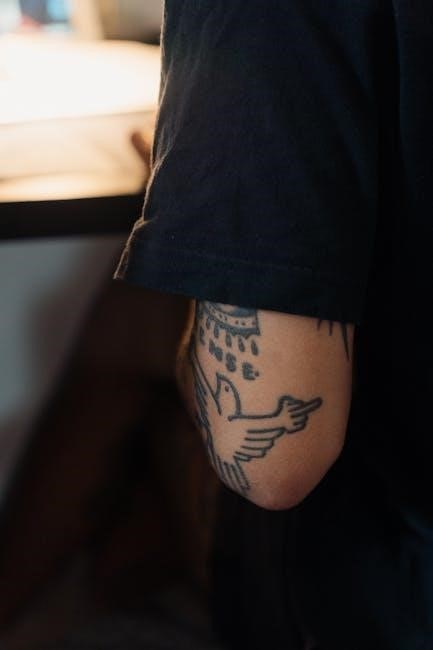
Regularly cleanse the area with a gentle, fragrance-free soap. A healthy lifestyle – including a balanced diet and avoiding smoking – contributes to skin health and tattoo longevity; Touch-ups may be needed over the years to refresh faded areas.
Tattoo Aftercare for Different Body Locations
Tattoo aftercare varies based on location due to differing skin thickness, flexibility, and sun exposure. Areas prone to friction, like wrists, ankles, and inner thighs, require extra attention. Keep these areas moisturized to prevent irritation and promote healing, and avoid tight clothing.
Tattoos on joints (elbows, knees) need careful attention as movement can disrupt healing. Limit strenuous activity and consider bandages to protect the area. Areas with high sun exposure, such as shoulders and arms, demand diligent sunscreen application even after healing.
Tattoos on the torso are generally easier to care for, but avoid tight clothing that can rub against the fresh ink. Foot and hand tattoos are prone to infection due to constant contact; maintain scrupulous hygiene. Always follow your artist’s specific advice tailored to your tattoo’s placement.
Specific Aftercare for Color Tattoos
Color tattoos require meticulous aftercare to maintain vibrancy and prevent fading. Pigments in colored inks are more susceptible to sun damage, necessitating diligent sun protection – SPF 30 or higher is crucial – even years after healing. Avoid prolonged sun exposure, and consider clothing coverage.
Gentle cleansing is paramount; harsh soaps can strip color. Use a fragrance-free, dye-free cleanser and pat the tattoo dry. Moisturizing is equally vital, but avoid over-moisturizing, which can dilute the ink. Choose a balm specifically designed for tattoos, and apply a thin layer.
Be extra cautious with red and pastel shades, as they tend to fade more quickly. Avoid exfoliating or scrubbing the tattoo vigorously. Follow your artist’s recommendations regarding specific products and timelines, as ink formulations vary. Consistent, gentle care will ensure your color tattoo remains brilliant.
Common Mistakes to Avoid During Tattoo Aftercare
Numerous pitfalls can hinder tattoo healing and compromise the final result. A frequent error is picking or scratching the tattoo, leading to scabbing, ink loss, and potential infection. Over-moisturizing is another common mistake, creating a breeding ground for bacteria and hindering oxygen flow.

Ignoring sun protection is detrimental, causing colors to fade and the skin to damage. Using harsh soaps or scented lotions can irritate the skin and disrupt the healing process. Submerging the tattoo in water – baths, swimming – increases infection risk.
Wearing tight clothing restricts airflow and can cause friction. Failing to follow your artist’s specific instructions is a significant error, as aftercare varies. Neglecting signs of infection – excessive redness, swelling, pus – can lead to serious complications. Patience and diligence are key to avoiding these mistakes.
Frequently Asked Questions About Tattoo Aftercare
“How long does a tattoo take to heal?” Typically, 2-4 weeks for the surface, but 3-6 months for complete healing beneath the skin. “Is scabbing normal?” Yes, light scabbing is natural, but avoid picking! “What should I use to clean my tattoo?” Mild, fragrance-free soap and warm water are ideal.
“How often should I moisturize?” 2-3 times daily during the initial healing phase, then as needed. “Can I go in the sun with a new tattoo?” Absolutely not! Protect it with clothing or sunscreen (SPF 30+) once healed. “What if my tattoo gets infected?” Seek medical attention immediately.
“Will my tattoo color fade?” Some fading is normal over time, but proper aftercare and sun protection minimize it. “Can I work out with a new tattoo?” Avoid excessive sweating and friction during the first few days. “Is it okay to use petroleum jelly?” Generally, no; opt for tattoo-specific balms.