Coffee Shop Equipment List: A Comprehensive Guide
Planning a café? This detailed guide outlines essential equipment, from brewing to back-of-house, ensuring a smooth and profitable operation for your business.
I. Essential Coffee Brewing Equipment
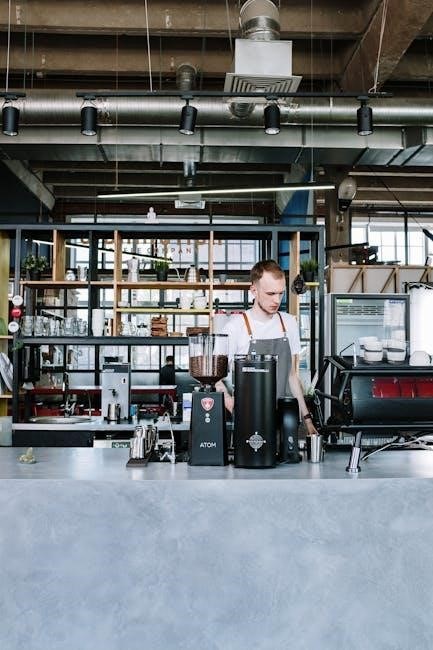
Core to any thriving coffee shop is, naturally, the brewing equipment. This section details the fundamental tools needed to consistently deliver high-quality coffee beverages. Investing in reliable and efficient brewing equipment is paramount, as it directly impacts the taste and speed of service, ultimately influencing customer satisfaction and repeat business.
Consider the volume you anticipate; a high-traffic shop will necessitate more robust and potentially multiple machines. Don’t underestimate the importance of proper maintenance – regular cleaning and servicing are crucial for longevity and optimal performance. Prioritize equipment that aligns with your desired coffee offerings, whether focusing on espresso-based drinks, traditional drip coffee, or specialty pour-over methods.
Choosing the right brewing setup isn’t just about initial cost; it’s about long-term value and the ability to consistently meet customer demand with exceptional quality. Careful consideration here sets the foundation for success.
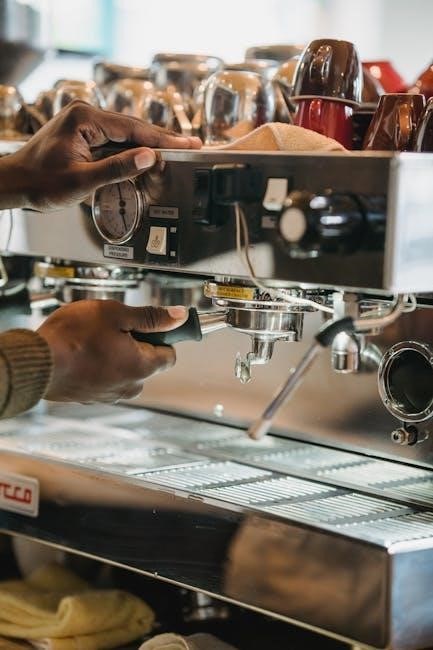
1.1 Espresso Machines
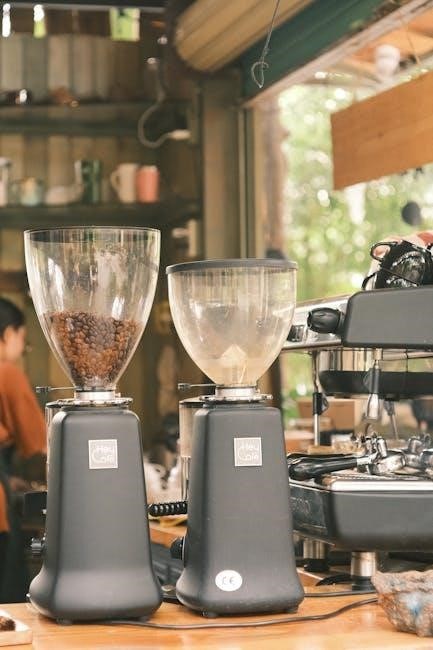
The heart of many coffee shops, espresso machines are crucial for crafting lattes, cappuccinos, and Americanos. Options range from semi-automatic, requiring barista skill for dose control and pre-infusion, to fully automatic machines offering consistent results with minimal training. Consider a dual-boiler machine for simultaneous espresso extraction and steam wand use, vital during peak hours.
Group heads (single, double, or triple) determine brewing capacity. Look for features like PID temperature control for precise water temperature and pre-infusion capabilities for enhanced flavor extraction. Commercial-grade machines are built for durability and high volume, differing significantly from prosumer models.
Budget considerations are key; prices vary widely based on features and capacity. Factor in ongoing maintenance costs, including descaling and potential repairs. A reliable espresso machine is a significant investment, directly impacting beverage quality and customer experience.
1.2 Coffee Grinders (Burr vs. Blade)
Consistent grind size is paramount for optimal espresso extraction and brewed coffee flavor. This is where the choice between burr and blade grinders becomes critical. Blade grinders, while cheaper, chop beans unevenly, resulting in inconsistent extraction and a muddy taste. They are unsuitable for a professional coffee shop.
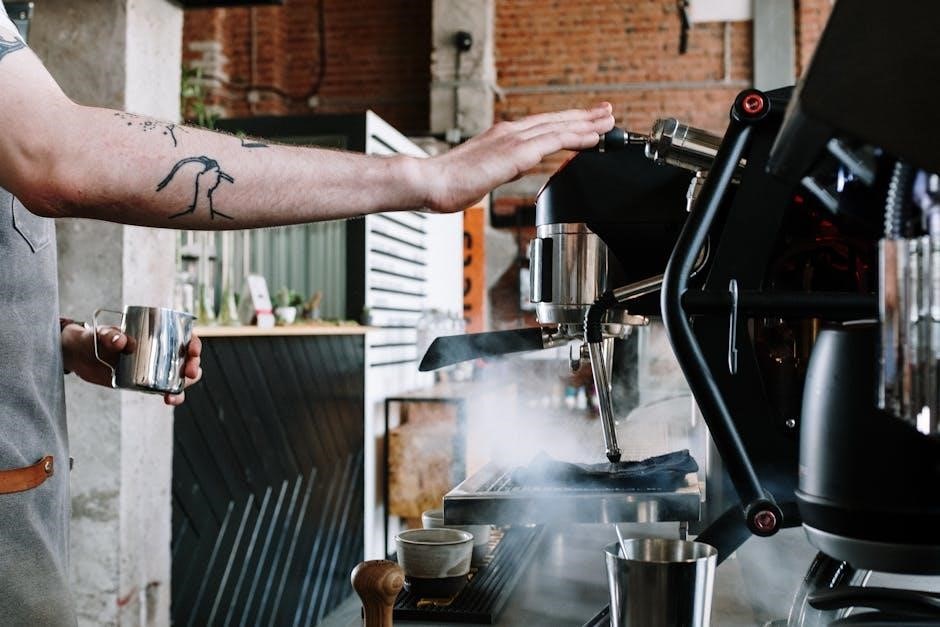
Burr grinders, utilizing two revolving abrasive surfaces, produce a uniform grind. Conical burr grinders are quieter and generate less heat, preserving delicate coffee aromas. Flat burr grinders offer exceptional consistency, favored by many specialty coffee shops.
Consider a grinder with stepless adjustment for precise grind size control. Dosing grinders automatically deliver pre-set amounts of coffee, improving workflow efficiency. Invest in a high-quality burr grinder; it’s a foundational element for consistently excellent coffee and customer satisfaction.
1.3 Drip Coffee Brewers
Drip coffee remains a staple for many coffee drinkers, demanding reliable and efficient brewers. Commercial drip brewers are designed for high-volume production, maintaining consistent water temperature and brew time. Look for models with multiple warmers to offer a variety of roasts simultaneously.
Automatic brewers simplify operation, while pour-over compatibility allows for specialty coffee offerings. Consider brewers with programmable features for customized brewing profiles. Batch size is crucial; select a brewer that matches your anticipated demand.
Regular cleaning is essential to prevent mineral buildup and maintain coffee quality. Features like direct water line connection and self-cleaning cycles enhance convenience. A dependable drip brewer ensures a steady supply of consistently brewed coffee, satisfying a broad customer base.
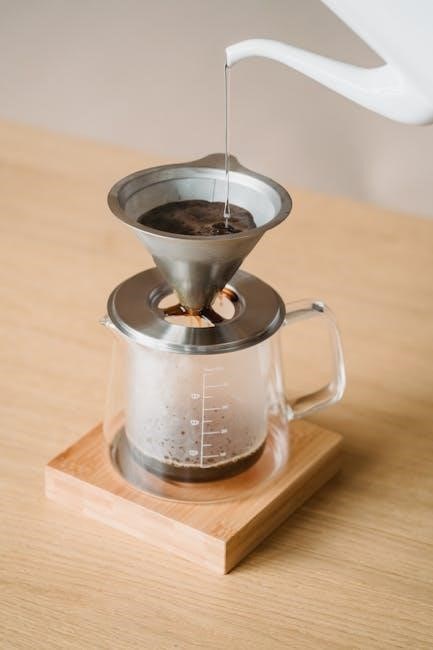
1;4 Pour-Over Equipment (Kettles, Filters, Stands)
Pour-over coffee is experiencing a surge in popularity, requiring specialized equipment for optimal results. Gooseneck kettles are essential, providing precise water control for a consistent bloom and even extraction. Electric kettles with temperature control are highly recommended for different coffee bean varieties.
A variety of filters are available – paper, metal, and cloth – each impacting flavor and clarity. Filter stands or drippers (like Hario V60 or Chemex) support the filter and facilitate the brewing process. Consider offering multiple pour-over options to cater to diverse preferences.
Scales with timers are crucial for accurate coffee-to-water ratios. Proper training for baristas is vital to ensure consistent pour-over quality. This method allows for a nuanced and flavorful coffee experience, attracting discerning customers.
II. Milk & Beverage Preparation
Beyond coffee, a successful café offers a diverse beverage menu. Efficient milk and beverage preparation equipment is therefore paramount. This section focuses on tools for crafting lattes, cappuccinos, frappes, and other specialty drinks.
Consistent milk texture is key, achievable with reliable steam wands integrated into espresso machines or dedicated automatic milk frothers. High-quality blenders are essential for creating smooth frappes, frozen coffee drinks, and blended smoothies. Consider blender power and durability for high-volume use.
Hot water dispensers provide instant hot water for teas, Americanos, and other beverages. Accurate temperature control is beneficial. Investing in quality equipment in this area directly impacts drink consistency and customer satisfaction, boosting your café’s reputation.
2.1 Milk Frothing Equipment (Steam Wands, Automatic Frothers)
Achieving perfectly textured milk is crucial for latte art and overall beverage quality. Two primary options exist: steam wands and automatic frothers. Steam wands, typically integrated with espresso machines, offer baristas complete control over milk temperature and texture, requiring skill and practice for consistent results.
Automatic milk frothers provide a simpler, more consistent solution, ideal for high-volume environments or less experienced staff. These range from basic models to sophisticated machines with programmable settings. Consider the volume of milk-based drinks you anticipate serving.
Factors to evaluate include wand power (for steam wands), frothing capacity, ease of cleaning, and durability. Some automatic frothers offer both hot and cold frothing capabilities, expanding your menu options. Proper maintenance is vital for both types to ensure longevity and hygiene.
2.2 Blenders (For Frappes & Smoothies)
Expanding your menu with blended beverages like frappes and smoothies requires robust and reliable blenders. Commercial-grade blenders are essential, differing significantly from home models in terms of power, durability, and noise levels. Consider blenders specifically designed for high-volume use, featuring hardened steel blades and powerful motors.
Variable speed controls are highly desirable, allowing for precise texture adjustments. Look for blenders with sound enclosures to minimize noise disruption for customers. Programmable settings can streamline preparation for consistent results and reduce staff training time.
Capacity is another key factor; choose a blender size appropriate for your anticipated demand. Easy cleaning is crucial – models with self-cleaning cycles or removable parts are highly recommended. Don’t overlook the importance of replacement parts availability for long-term maintenance.
2.3 Hot Water Dispensers
Efficiently providing hot water for teas, Americanos, and other beverages is streamlined with dedicated hot water dispensers. These units offer consistent temperature control and rapid dispensing, crucial during peak hours. Consider both pourover and automatic models, depending on your service style and volume.
Pourover dispensers offer manual control, ideal for precise temperature adjustments for different tea types. Automatic dispensers provide push-button convenience and often feature programmable temperature settings. Look for models with large capacity tanks to minimize refills.
Safety features like cool-touch housings and automatic shut-off are essential. Easy cleaning and descaling access are also important considerations for maintaining hygiene and longevity. Some dispensers include filtration systems to improve water quality and taste. Prioritize models with energy-efficient operation to reduce utility costs.
III. Grinding & Storage
Maintaining coffee freshness and efficient ingredient organization are key to quality and cost control. This section focuses on equipment dedicated to preserving bean integrity and streamlining workflow. Proper storage protects against oxidation, moisture, and pests, ensuring optimal flavor.
Investing in airtight, opaque coffee bean storage containers is paramount. Consider size and material – stainless steel or ceramic are excellent choices. For syrups and sauces, dedicated pumps and dispensers offer portion control and reduce waste.
A well-organized spice rack and ingredient organizer keeps everything within easy reach, improving barista speed and accuracy. Labeling is crucial! Regularly rotate stock using a FIFO (First-In, First-Out) system to minimize spoilage. Proper grinding and storage directly impact the final cup quality and customer satisfaction.
3.1 Coffee Bean Storage Containers
Protecting your coffee beans from the elements is crucial for maintaining flavor and aroma. Investing in high-quality storage containers is a non-negotiable aspect of any coffee shop setup. Exposure to air, moisture, light, and heat rapidly degrades bean quality, leading to a stale and unpleasant brew;
Look for containers made from airtight materials like stainless steel, ceramic, or specialized food-grade plastics. Opaque containers are preferable, as they block harmful UV rays. Consider size based on your volume – multiple smaller containers are often better than one large one, minimizing exposure during use.
Features like one-way valves allow CO2 to escape without letting oxygen in. Regularly cleaning containers is essential to prevent oil buildup and off-flavors. Proper bean storage is a simple yet impactful way to elevate your coffee quality and customer experience.
3.2 Syrup Pumps & Dispensers
Consistent and controlled syrup dispensing is vital for drink quality and cost management. Manual syrup pumps offer a cost-effective solution for lower-volume shops, providing portion control with each pull. However, for higher throughput, consider investing in automatic syrup dispensers.
Automatic dispensers deliver precise amounts with the touch of a button, reducing waste and improving speed of service. Look for models with adjustable volume settings to accommodate different drink recipes. Stainless steel construction ensures durability and ease of cleaning.
Proper organization of syrups is also key – a dedicated syrup rail or station keeps everything within easy reach. Regularly check pumps for clogs and calibrate dispensers to maintain accuracy. Efficient syrup management contributes to both profitability and customer satisfaction.
3;3 Spice Racks & Organizers
Beyond coffee and syrups, many cafes offer flavored beverages utilizing spices like cinnamon, nutmeg, and cocoa powder. Efficient spice storage and organization are crucial for maintaining freshness, preventing cross-contamination, and ensuring quick access during peak hours. Wall-mounted spice racks maximize counter space and keep frequently used spices visible and within reach.
Consider tiered racks for better visibility and accessibility. Alternatively, dedicated spice drawers or organizers within your back-of-house area can provide a more contained storage solution. Airtight containers are essential to preserve spice aromas and flavors, protecting them from moisture and pests.
Labeling each container clearly is paramount, especially with a diverse spice selection. Regularly rotate your spice inventory to ensure freshness and discard any expired products. A well-organized spice station streamlines beverage preparation and enhances the overall customer experience.
IV. Serving & Display Equipment
Presentation is key! Serving and display equipment significantly impacts customer perception and drives impulse purchases. A diverse selection of cups and mugs – varying in size for different beverages – is fundamental. Don’t forget lids for to-go orders and consider branded options for marketing.
Display cases are vital for showcasing pastries, sandwiches, and other food items, enticing customers with visually appealing arrangements. Refrigerated cases maintain freshness, while non-refrigerated options suit dry goods. Effective menu boards, whether digital or traditional, clearly communicate your offerings and pricing.
Digital boards offer flexibility for updates and promotions. Consider placement for maximum visibility. Trays, napkin dispensers, and sugar/stirrer stations complete the self-service area. Attractive presentation elevates the customer experience and boosts sales.
4.1 Cups, Mugs & Lids (Variety of Sizes)
Essential for every order! Offering a variety of cup sizes – 8oz, 12oz, 16oz, and 20oz are common – caters to diverse customer preferences and drink choices. Consider materials: ceramic mugs enhance the in-house experience, while disposable paper or compostable cups are crucial for to-go orders.
Lids are non-negotiable for hot beverages, preventing spills and maintaining temperature. Explore options like sip lids and travel lids. Don’t overlook cold cup options with corresponding lids and straws for iced coffees and blended drinks. Branded cups offer a subtle marketing opportunity, increasing brand recognition.
Stocking sufficient quantities is vital, especially during peak hours. Consider the aesthetic – consistent cup styles contribute to your café’s overall branding. Durable materials minimize breakage and waste, impacting your bottom line.
4.2 Display Cases (Pastries, Food Items)
Visually appealing presentation is key! Display cases are crucial for showcasing pastries, sandwiches, and other food items, enticing customers with fresh offerings. Refrigerated display cases maintain optimal temperatures for perishable goods, ensuring food safety and extending shelf life. Consider both reach-in and countertop models based on available space and volume.
Lighting within the case dramatically impacts visual appeal – LED lighting is energy-efficient and highlights products effectively. Glass construction provides clear visibility, while proper shelving arrangement maximizes space and showcases variety. Regularly cleaned cases are essential for hygiene and maintaining a professional image.

Think about humidity control for baked goods, preventing them from drying out. Adjustable shelves allow for flexibility in displaying different sized items. A well-maintained display case boosts impulse purchases and overall sales.
4.3 Menu Boards (Digital & Traditional)
Clear and attractive menu boards are vital for communicating your offerings to customers. Traditional chalkboards offer a rustic charm and easy price/item updates, but require regular maintenance. Printed menu boards are cost-effective for static menus, but changes necessitate reprinting.
Digital menu boards provide dynamic content – showcasing promotions, changing prices instantly, and displaying appealing visuals. They can be remotely updated and scheduled, saving time and labor. Consider screen size, resolution, and brightness for optimal visibility. Software integration allows for data tracking and menu optimization.
Strategic placement is crucial; ensure boards are easily visible from ordering areas and queues. Effective menu design utilizes clear fonts, concise descriptions, and appealing imagery. A well-designed menu board enhances the customer experience and drives sales.
V. Back-of-House & Cleaning
Efficient back-of-house operations are crucial for a smoothly running coffee shop. A commercial dishwasher is essential for handling high volumes of cups, plates, and utensils, ensuring hygiene and saving labor. An ice machine provides a consistent supply for iced beverages, vital for customer satisfaction.
Refrigeration units – walk-in coolers and reach-in refrigerators – are necessary for storing milk, food items, and ingredients at safe temperatures. Proper temperature control prevents spoilage and maintains quality. A reliable POS (Point of Sale) system & cash register streamlines transactions, manages inventory, and provides valuable sales data;
Investing in these systems improves workflow, reduces waste, and ensures compliance with health regulations. Regular maintenance is key to prolonging equipment life and preventing costly breakdowns. Prioritize efficiency and hygiene in your back-of-house setup.
5.1 Commercial Dishwasher
A commercial dishwasher is a non-negotiable investment for any coffee shop anticipating moderate to high customer traffic. Unlike residential models, these machines are built for durability and speed, handling large volumes of dishes, cups, and utensils efficiently. Consider factors like size (under-counter, door-type, conveyor), wash cycle length, and water usage when selecting a unit.
Key features to look for include robust construction, automatic detergent and rinse aid dispensers, and high-temperature sanitization cycles to ensure proper hygiene. Energy Star certified models can help reduce operating costs. Proper installation, including plumbing and electrical connections, is vital.
Regular maintenance, such as cleaning spray arms and checking water filters, is crucial for optimal performance and longevity. A reliable dishwasher minimizes labor costs and guarantees consistently clean tableware for your customers.
5.2 Ice Machine
An ice machine is essential for serving iced coffee, blended drinks, and other beverages that require chilled components. Coffee shops experience fluctuating ice demands, so choosing the right capacity is crucial – consider peak hours and anticipated customer volume. Options range from countertop models producing smaller batches to larger, freestanding units with significant output.
Types of ice – cube, flake, nugget – impact drink presentation and texture. Self-contained units are convenient, including both ice production and storage, while remote condenser models are quieter and more efficient for high-volume use.
Regular cleaning and maintenance, including descaling and filter replacement, are vital to prevent scale buildup and ensure sanitary ice production. Proper ventilation is also necessary. A dependable ice machine prevents shortages during busy periods and maintains customer satisfaction.
5.3 Refrigeration Units (Walk-in, Reach-in)
Reliable refrigeration is paramount for storing milk, cream, food items, and other perishables. Coffee shops typically require a combination of walk-in and reach-in refrigerators, depending on storage needs and available space. Walk-in coolers offer substantial capacity for bulk storage, ideal for milk deliveries and prepped ingredients.
Reach-in refrigerators provide convenient access to frequently used items behind the counter. Consider models with glass doors for easy visibility and efficient organization. Temperature control and monitoring are critical to maintain food safety standards.
Energy-efficient models reduce operating costs, and regular maintenance – cleaning coils and checking door seals – extends the lifespan of the units. Proper shelving and organization maximize space and ensure efficient stock rotation, minimizing waste.
5.4 POS System & Cash Register
A robust Point of Sale (POS) system is the nerve center of your coffee shop, streamlining transactions and providing valuable data. Modern POS systems go far beyond basic cash handling; they manage orders, track inventory, process payments (including mobile options), and generate reports on sales trends and customer behavior.
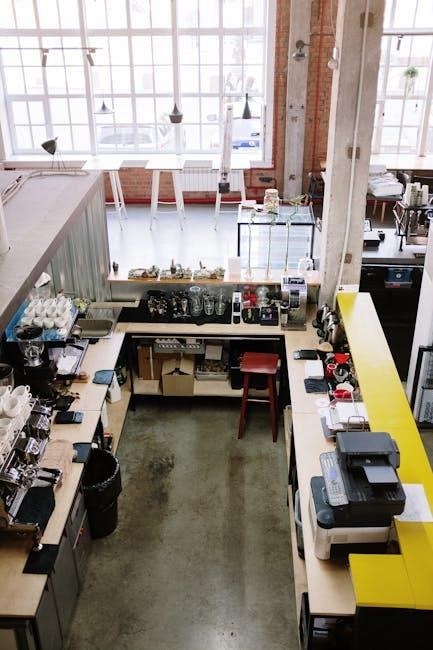
Consider features like employee management, loyalty programs, and integration with accounting software. A traditional cash register may suffice for very small operations, but a POS system offers significant advantages in efficiency and data analysis. Cloud-based POS systems offer accessibility and automatic backups.
Ensure the system is user-friendly for staff training and reliable to minimize downtime. Secure payment processing is essential to protect customer data and comply with industry standards. Regular software updates are crucial for security and functionality.
VI. Miscellaneous & Optional Equipment
Beyond the core necessities, several items can enhance customer experience and operational efficiency. A water filtration system ensures optimal coffee flavor and protects equipment from scale buildup. A security system – including cameras and an alarm – safeguards your investment and provides peace of mind.
Comfort is key, so consider an efficient air conditioning/heating system. Tables and chairs, both for indoor and outdoor seating, should be durable and aesthetically pleasing. Effective waste management solutions, including recycling bins, are essential for hygiene and sustainability.

Optional additions like comfortable lounge seating, free Wi-Fi, and charging stations can attract customers. Don’t overlook small details like coat racks or umbrella stands. Prioritize based on your budget and target audience, focusing on items that add value and create a welcoming atmosphere.
6.1 Water Filtration System
Water quality is paramount in coffee brewing, significantly impacting taste and equipment longevity. A robust water filtration system removes chlorine, sediment, and other impurities that can negatively affect the flavor profile of your coffee. Scale buildup, caused by hard water, can damage espresso machines and drip brewers, leading to costly repairs.
Different filtration options exist, including carbon filters, reverse osmosis systems, and water softeners. Carbon filters are effective at removing chlorine and improving taste, while reverse osmosis provides the purest water but can be slower. Consider your water source and volume needs when selecting a system.
Regular filter replacement is crucial for maintaining optimal performance. Investing in a quality water filtration system is a proactive step towards consistently delicious coffee and protecting your valuable equipment, ultimately boosting customer satisfaction and reducing operational costs.
6.2 Security System
Protecting your investment and ensuring the safety of your staff and customers is vital. A comprehensive security system is no longer optional, but a necessity for any coffee shop. This includes a monitored alarm system with door and window sensors, as well as motion detectors for after-hours protection.
Surveillance cameras, both visible and discreet, deter theft and provide valuable evidence in case of incidents. Consider systems with remote viewing capabilities, allowing you to monitor your shop from anywhere. A reliable point-of-sale (POS) system with security features can also help prevent internal theft.
Don’t overlook the importance of adequate exterior lighting and secure cash handling procedures. Regularly review and update your security protocols, and ensure staff are properly trained on security measures. A proactive approach to security provides peace of mind and safeguards your business.
6.3 Air Conditioning/Heating System
Maintaining a comfortable environment is crucial for attracting and retaining customers. A reliable air conditioning and heating (HVAC) system ensures a pleasant atmosphere year-round, regardless of external weather conditions. Consider the size of your space and local climate when selecting a system, opting for energy-efficient models to minimize operating costs.
Zoned systems allow for independent temperature control in different areas of the shop, optimizing comfort and energy savings. Regular maintenance, including filter replacements and professional inspections, is essential for optimal performance and longevity. Proper ventilation is also important for removing odors and maintaining air quality.
Don’t underestimate the impact of temperature on customer experience. A comfortable shop encourages longer stays and repeat visits. Investing in a quality HVAC system demonstrates your commitment to customer comfort and creates a welcoming atmosphere.
6.4 Tables & Chairs (Indoor & Outdoor)
Seating arrangements significantly impact the ambiance and capacity of your coffee shop. A variety of options – including comfortable armchairs, communal tables, and smaller bistro sets – cater to diverse customer preferences. Durability and ease of cleaning are paramount, especially with high foot traffic.
Outdoor seating, if space permits, expands your capacity and attracts customers during pleasant weather. Invest in weather-resistant furniture designed to withstand the elements. Consider providing umbrellas or shade structures for sun protection. Accessibility is key; ensure ample space for maneuvering wheelchairs and strollers.
The style of your tables and chairs should complement your overall café design. Prioritize comfort to encourage customers to linger and enjoy their experience. Thoughtful seating arrangements contribute to a welcoming and functional space;
6.5 Waste Management Solutions
Efficient waste disposal is crucial for hygiene, sanitation, and environmental responsibility in a busy coffee shop. Implement a comprehensive system with clearly labeled bins for recycling, compost (if applicable), and general waste. Consider bin size and placement to optimize workflow and minimize odors.
Compactors can significantly reduce waste volume, lowering disposal costs and frequency. Outdoor waste containers should be durable, pest-resistant, and regularly cleaned. Explore partnerships with local recycling and composting services to minimize your environmental impact.
Properly disposing of coffee grounds is also important; composting is an excellent option. Train staff on proper waste sorting procedures to ensure compliance and maximize recycling efforts. A well-managed waste system contributes to a clean, sustainable, and customer-friendly environment.